
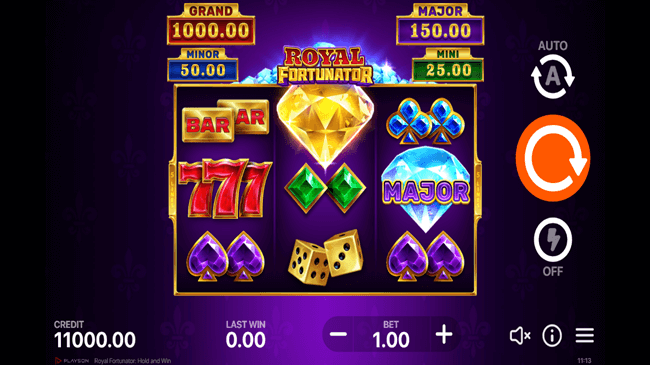
Hold and Win Games have become increasingly popular across UK online casinos, mixing classic slot mechanics with high-stakes bonus respins https://hold-and-win.eu/. The thrill of locking in jackpot symbols and chasing those gleaming Mini, Major, and Mega prizes creates an adrenaline spike few formats can match. Yet the very mechanics that make these titles so captivating—the high volatility and the tangible closeness of coins settling one position away—can devastate a bankroll without a structured financial plan. UK players should treat session cash not as a monolithic lump sum, but as a finite resource split by strict mathematical boundaries. That approach lets you extract genuine entertainment value without stumbling into the red zone.
Recognising When the Recreational Value Has Faded
The last pillar of budget management is the honest acknowledgment that a session has ended being fun and has morphed into a grim resource extraction exercise. Hold and Win Games are designed for excitement, and the moment the bonus respin coins cease to spark genuine enthusiasm, the psychological contract has broken. Continuing to pump funds into a mechanical pursuit of a jackpot that feels obligatory rather than thrilling is the fastest route to chasing losses. A healthy habit involves asking a blunt question after every feature round: would another buy-in be motivated by joy, or by the hollow compulsion to fix a red number on a spreadsheet that will reset to zero at midnight anyway?
Employing Win Goals to Lock in Profits Quickly
Analogous to a loss limit is the win goal, a concept often overlooked by UK players who follow a heater straight back into the abyss. A pragmatic threshold might be at 50 to 80 percent profit on the starting balance; when a £40 deposit climbs to £72, instantly withdrawing the original stake plus a small bonus crystallises a victory. Hold and Win bonus rounds often deliver a chunky cluster of instant cash symbols that move a balance sharply upward in seconds, but the algorithm will draw the session average back toward the house edge if play continues. Considering every withdrawal as a discrete win changes the brain away from the destructive fixation on the maximum possible Mega jackpot.
Splitting Deposit Funds from Bonus Credit Strategically
UK-facing casinos often bundle Hold and Win Games into welcome offers and free spin bundles, but wagering requirements convert what appears to be free ammunition into a liquidity trap. An analytical approach recommends that cash deposits should be used for flexible, withdrawable play, while bonus funds serve as a secondary exploration pool. Switching to real cash mode once a wagering target clears prevents accidentally locking winnings behind further playthrough restrictions. Reviewing the game weighting table is essential; some operators reduce Hold and Win title contributions to 50 percent or lower, meaning a £50 bonus could demand £3,000 in spins before a penny becomes withdrawable.
Defining a Rigid Session Loss Limit Prior to You Spin
The most effective barrier versus financial disappointment is a pre-committed stop-loss anchored to disposable income as opposed to a vague desire to win back losses. A disciplined UK enthusiast should determine a maximum single-session deficit—say, £50 or £100—and log out the instant that threshold is breached, irrespective of how close a bonus scatter appeared on the final spin. Hold and Win Games interfaces cleverly display ticking jackpot values, which psychologically pressure players to override hard limits. Writing the loss limit on a sticky note beside the monitor or saving a screenshot of the deposit receipt creates an external accountability trigger. This mechanical circuit breaker interrupts the dopamine loop long enough for rational thought to regain control.
Structuring the Bankroll Based on Minimum Bet Multiples
A mathematically robust bankroll for Hold and Win Games needs to include at least 150 to 250 times the chosen spin stake to handle the natural variance of the base game grind. If a player fancies £1 spins, a starting balance below £150 creates a high probability of ruin before the feature lands. Exploring a new title—like a firefighter-themed or fruit-based variant—might start with 50p or even 25p stakes to scout scatter frequency and feature hit rate without burning through the budget. Once a comfortable rhythm is set and the bonus frequency reveals itself, stake adjustments can be made upward in small 10 percent increments rather than reckless doubling attempts.
- For £0.25 spins: opening bankroll of £50–£75
- For £0.50 spins: initial bankroll of £100–£150
- For £1 spins: starting bankroll of £200–£300
- For £2 spins: initial bankroll of £400–£600
- For £5 spins: initial bankroll of £1,000–£1,500
Monitoring Performance via a Simple Spreadsheet
An honest ledger changes opaque gambling outcomes into undeniable trend data. A UK player just needs to log the date, game title, opening balance, closing balance, and a one-line note on whether bonus features triggered. Over ten sessions, patterns appear clearly: perhaps a particular title used £200 before providing a single bonus, or a specific stake size regularly surpassed others. Recording net profit or loss in percentage terms rather than raw pounds takes away the emotional sting of a losing session and reframes it as a statistical input. This analytical rigour demystifies the variance and helps players objectively recognize which Hold and Win Games in their rotation actually warrant the bankroll allocation versus those that simply burn cash.
- Day and session start time
- Slot name and exact stake size
- Start bankroll and closing balance
- Quantity of bonus features triggered
- Final result in pounds and as a percentage
- Quick note on loss limit or win goal adherence
Deciphering the Risk Profile of Hold-and-Win Mechanics
The analytical breakdown of a Hold and Win title involves understanding that these are not low-volatility fruit machines. The bulk of the return-to-player percentage is held inside the respin mechanic, so the base game typically functions as a tough qualifier where funds can erode by 30 to 40 percent before a bonus triggers. A game featuring a 95-point-five percent RTP can consume a £100 deposit in under fifteen minutes if scatter distribution fails to align. UK gamblers need to realise that dead spins are not anomalies; they are the statistical backbone that funds the eventual jackpot drop. Approaching a session expecting constant small wins misaligns expectations and encourages emotional tilting when the screen goes quiet for an extended time.
Employing Timed Session Breakdowns to Avoid Fatigue
Mental fatigue is a silent bankroll killer that skews risk perception after prolonged exposure to flashing coin symbols and near-miss jackpot locks. Organizing sessions into 30 or 45-minute blocks with a mandatory 10-minute screen break renews pattern recognition and curbs autopilot spinning. During these pauses, a player can physically walk away, review the net position, and choose with cold clarity whether to continue or bank the current balance. The Hold and Win respin feature, with its dramatic accumulation of cash prizes, sparks a hormonal surge that clouds judgment. A simple countdown timer on a smartphone acts as an objective guardian against the trance-like state that extended spin sequences produce.
- Set a strict session timer for 30 or 45 minutes before starting.
- When the alarm sounds, immediately stop spinning and stand up.
- Step back from the screen for a full ten-minute break.
- Review net position: calculate exact profit or loss.
- Determine to continue only if the number is green and excitement remains genuine.
Selecting UK Casino Sites That Offer Clear RTP and Payout Speed
Even a perfect budget plan fails if the casino platform holds up payouts by 72 hours or obscures the actual return percentage of its Hold and Win Games. Players should prioritise UK-licensed operators featuring verified RTP figures right in the game lobby and supporting PayPal or Visa Fast Funds for same-day withdrawals. Fast cashout infrastructure aids the win goal strategy, enabling a profit lock in hours instead of days. Scanning community forums for recent withdrawal complaint threads needs five minutes and stops the frustration of a frozen balance. A casino that processes a £200 profit flip before the player talks themselves into reversing it is a silent partner in responsible budget management, not an adversary.